|
 |
 |
 |
|
|
 |

PROVIDING SUPERIOR BANKRUPTCY,
DEBT NEGOTIATION AND LEGAL SERVICES FOR OVER THIRTY YEARS
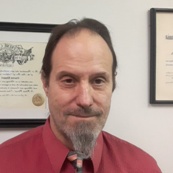
New York Bankruptcy Lawyer Charles E. Andersen has devoted his practice to helping individuals and businesses attain a fresh financial start. As a Bankruptcy Attorney since 1994, he has represented
over a thousand debtors and creditors throughout Elmira, Corning,
Watkins Glen and all adjoining New York counties. As a former Chief
Public Defender he is an expert in DWI Defense, as well as divorce
and family court litigation.
|
Chapter 7
>> |
Chapter 11>> |
Chapter 13>> |

Chapter 7 eliminates bills and is an elimination process
|

Chapter 11 reorganizes obligations in order to pay debts over time
|

Chapter 13 consolidates debt and is a court reorganization process
|
|
You will never see or talk to
an attorney at many bankruptcy law firms!
A legal assistant will interview you and take all of your calls. At some other law firms,
an attorney will conduct the first interview, but after that, you will never hear
from the attorney, and a legal assistant will take your calls.
At our office, we take pride in the
personal attention given to our clients. Mr. Andersen will
personally discuss your financial situation and answer your
questions. He will personally handle your case and will be
available for consultation at any time. You will not be passed
off to a legal assistant or secretary! |
Bankruptcy is a Federal Debt
elimination process. Our web site is designed to give you
all of the basic information you need to become
knowledgeable in bankruptcy law prior to your consultation
with our office.
|
-
Significant filings
-
Affordable Bankruptcy
-
Debt Counseling
-
Mortgage Elimination
-
Life after bankruptcy
|
Bankruptcy sparks intense emotions in
many people. The credit card industry has spent billions of
dollars trying to establish a stigma surrounding bankruptcy. At
the Law Office of Charles Andersen, we know that bankruptcy is a valid and necessary
option for many people. We are a significant filer in Chemung,
Steuben and Schuyler Counties, and dedicate
ourselves to filing bankruptcy cases which includes stopping foreclosure and repossession
of your home and assets.
Bankruptcy is the fastest and most
affordable way to get out of debt and increase your credit
score. Our office has guaranteed payment plans to make
getting out of debt more affordable. At
the Law Office of Charles Andersen, our no money down
chapter 13 wage earner plans can shift the costs of filing for
bankruptcy to your creditors and away from you. You too can
become debt free in as little as three months by using the
powerful U.S. bankruptcy laws to your benefit.
Before filing for bankruptcy you
can obtain a pre-bankruptcy counseling session with an approved
credit counseling organization in which an evaluation
of your personal financial situation, a discussion of alternatives to bankruptcy,
and a personal budget plan take place. A typical counseling
session should last about 60 to 90 minutes, and can be done in person, on the phone, or online. The counseling
organization is required to provide the counseling
free of charge for those
consumers who cannot afford to pay. .
The powerful Chapter 13 bankruptcy laws can allow
you to strip off multiple mortgage liens on you property. This federal
lien strip program is available through our office to qualified wage earners
who desire a fresh start and need reorganization on secured debt .
Through Chapter 13 we can help you safely and effectively modify
both secured an unsecured debt through this federally approved
plan of reorganization.
Unlike other law firms we assist you with your
credit report after bankruptcy. Our attention to your situation is
as comprehensive as we can reasonably make it be. Your bankruptcy case
is more to us than just a matter of filling out papers and appearing in court.
|
|
 |
 |
 |
 |
Chapter 7 & 13
If you qualify
STOP
- Creditor
Harassment
- Stop utility
shutoffs
-
Foreclosure
- Car repossession
ELIMINATE
-
Credit Card debt
-
Medical bills
*For
cases with a wage order,
and the balance paid through a trustee as part of the payment plan
and not paid directly to the attorney. Court filing fee is
extra.
- Emergency Petitions
filed
- Ask to see a statement
of clients rights and responsibilities
Free Consultation
Need a Criminal Lawyer?
(New York)
|
 |
|
|
|
|
 |
 |
 |
|
| |
|
Serving Upstate New York including Elmira, Horseheads, Watkins Glen,
Corning, Ithaca, Waverly, New York, NY, Big Flats, Candor, Chemung County, Dundee, Elmira Heights, Erwin, Gang Mills, Montour Falls, Nichols, Pine Valley, Savona, Schuyler County, Southport, Spencer, Steuben County, Tioga County,
Tompkins County, Van Etten, West Elmira, Woodhull, and Syracuse NY.
[ Home ] [ Bankruptcy Law ] [ Tax Debt ] [ Divorce ] [ DWI ] [ Services ] [ The Firm ] [ FAQ'S ] [ Contact ]
PHONE: 607-339-8669
Strathmore Plaza Bldg.100 N Main Street
Suite 310 B
Elmira, NY 14901 -
Copyright © 2005 Web Imaging Productions
|
Chapter 11 Debt Relief
New York Bankruptcy
|
 |
 |
 |
 |
 |
 |
 |
|
|